
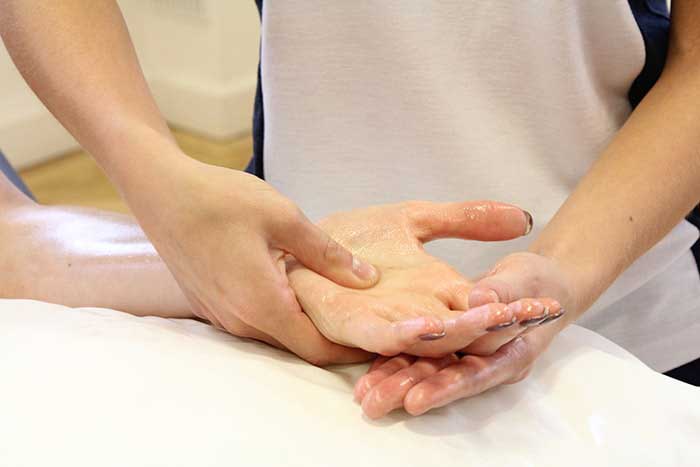
Struggling to fall asleep or waking up feeling unrested is a common problem in modern life. Stress, screen exposure, irregular routines, and mental overload often interfere with the body’s natural sleep cycle. Acupressure offers a gentle, medication-free way to support better sleep by calming the nervous system and encouraging deep relaxation.
Unlike pills that may cause dependency or side effects, acupressure works with your body’s natural rhythms, making it a sustainable option for long-term sleep improvement.
Understanding the Connection Between Acupressure and Sleep
Sleep quality is closely linked to how relaxed your mind and body feel before bedtime. Acupressure targets specific points associated with stress regulation, muscle relaxation, and nervous system balance.
By stimulating these points, acupressure can help:
- Reduce mental overactivity and racing thoughts
- Lower physical tension stored in muscles
- Support melatonin production indirectly through relaxation
- Improve circulation and breathing patterns
Together, these effects prepare the body for deeper, more restorative sleep.
Why Acupressure Helps With Sleep Problems
Sleep issues are often caused by hyperarousal, where the body remains in a “fight or flight” state even at night. Acupressure encourages the opposite response—the parasympathetic “rest and digest” mode.
Key benefits include:
- Reduced stress hormones, such as cortisol
- Slower heart rate and calmer breathing
- Eased muscle stiffness from daily activities
- Improved mind-body awareness before bedtime
This shift creates the right internal environment for falling and staying asleep naturally.
Most Effective Acupressure Points for Better Sleep
HT7 (Shenmen) – The Calming Heart Point
Located on the inner wrist crease, this point is widely used to quiet the mind and ease anxiety-related insomnia. Gentle pressure here can help with frequent waking and emotional restlessness at night.
SP6 (Sanyinjiao) – Hormonal and Nervous Balance
Found above the inner ankle, SP6 supports overall relaxation and is often used for difficulty falling asleep, especially when stress or hormonal fluctuations are involved.
PC6 (Neiguan) – Stress and Overthinking Relief
Situated on the inner forearm, this point helps calm nervous tension, chest tightness, and nausea that can interfere with sleep onset.
Yintang – Mental Stillness Point
Located between the eyebrows, Yintang is excellent for reducing racing thoughts and mental chatter, making it ideal for bedtime use.
KI1 (Yongquan) – Grounding the Body
Found on the sole of the foot, this point promotes a grounding sensation, helping draw excess mental energy downward and encouraging physical calm.
How to Practice Acupressure Before Bed
A simple bedtime routine can make acupressure more effective and enjoyable.
- Choose 2–3 points rather than trying them all at once
- Apply steady, gentle pressure for 60–90 seconds per point
- Breathe slowly through the nose while pressing
- Practice in a quiet, dimly lit environment
- Finish by lying still for a few minutes
Consistency is key. Practicing nightly trains your body to associate acupressure with sleep readiness.
When You’re Likely to Notice Results
Some people feel calmer after the first session, while others notice improvements over several days. Acupressure works best when practiced regularly, especially if sleep problems are linked to stress, anxiety, or tension rather than medical conditions.
It is particularly helpful for:
- Trouble falling asleep
- Light or restless sleep
- Stress-related insomnia
- Sleep disruption from overthinking
Making Acupressure Part of a Sleep-Friendly Lifestyle
Acupressure is most effective when combined with healthy sleep habits:
- Maintain a consistent bedtime
- Limit screen exposure before sleep
- Avoid heavy meals late at night
- Pair acupressure with gentle stretching or meditation
These habits reinforce each other, helping your body transition naturally into restful sleep.
Frequently Asked Questions
Can acupressure replace sleeping pills?
Acupressure can support natural sleep but should not replace prescribed medication without guidance from a healthcare professional.
How long before bed should I practice acupressure?
Practicing 15–30 minutes before sleep works well, but even shorter sessions can be beneficial.
Is acupressure safe for long-term use?
Yes, acupressure is generally safe for regular, long-term practice when done gently and correctly.
Can acupressure help with insomnia caused by anxiety?
Yes, many sleep-related acupressure points are specifically linked to calming anxiety and mental tension.
Should acupressure be done on both sides of the body?
Yes, applying pressure on both sides promotes balance and more consistent relaxation.
Can older adults use acupressure for sleep improvement?
Acupressure is suitable for older adults, provided pressure is gentle and comfortable.
What if acupressure doesn’t seem to work?
If sleep issues persist despite regular practice, it’s important to consult a healthcare provider to rule out underlying conditions.
By incorporating acupressure into your nightly routine, you can tap into a natural, calming method to improve sleep quality—supporting deeper rest without relying on medication.
