

Starting a fitness journey is easy. Sticking with it long-term is the real challenge. Motivation often fades when progress feels slow, routines become repetitive, or life gets busy. The good news is that lasting fitness motivation isn’t about willpower—it’s about creating habits, systems, and mindsets that support consistency over time.
Why Most Fitness Motivation Fades
Many people lose motivation because their goals are too rigid or disconnected from daily life. Common reasons include:
- Setting unrealistic expectations
- Focusing only on appearance instead of health
- Doing workouts they don’t enjoy
- Relying on motivation instead of routine
Understanding these obstacles makes it easier to design a plan that actually lasts.
Start With Clear and Personal Fitness Goals
Long-term motivation starts with goals that feel meaningful to you, not goals based on trends or comparisons.
Make Goals Specific and Flexible
Instead of vague goals like “get fit,” aim for clarity:
- Walk 8,000 steps most days
- Strength train three times a week
- Improve energy levels and sleep quality
Flexible goals allow room for life changes without triggering guilt or burnout.
Focus on Process, Not Just Outcomes
Outcome goals (weight loss, muscle gain) matter, but process goals keep motivation alive.
- Showing up consistently
- Improving form or endurance
- Feeling stronger week to week
Progress becomes more visible and rewarding when effort itself is the win.
Build Consistency Before Intensity
Consistency beats intensity every time. Short, regular workouts are more sustainable than extreme plans.
- Start with 10–20 minutes per session
- Choose realistic workout days
- Gradually increase duration or difficulty
Once exercise feels normal, motivation becomes less necessary.
Choose Activities You Actually Enjoy
Enjoyment is one of the strongest predictors of long-term adherence.
- Dance, walk, swim, cycle, or stretch
- Mix structured workouts with free movement
- Rotate activities to avoid boredom
If you dread your workouts, motivation will always feel forced.
Create a Routine That Fits Your Life
Fitness should support your lifestyle, not compete with it.
- Schedule workouts like appointments
- Anchor exercise to existing habits (after waking up, after work)
- Have backup plans for busy days
When fitness becomes part of your routine, skipping feels less automatic.
Track Progress in More Than One Way
Motivation grows when progress is visible, even if it’s subtle.
- Track strength, endurance, or flexibility
- Notice improvements in mood and energy
- Celebrate consistency streaks
Non-scale victories often appear long before physical changes.
Manage Motivation Slumps Without Quitting
Motivation naturally fluctuates. The key is knowing how to respond.
- Lower the bar instead of stopping completely
- Switch to lighter workouts during low-energy periods
- Remind yourself why you started
Progress doesn’t disappear because of slow weeks—it disappears when you stop entirely.
Use Support and Accountability Wisely

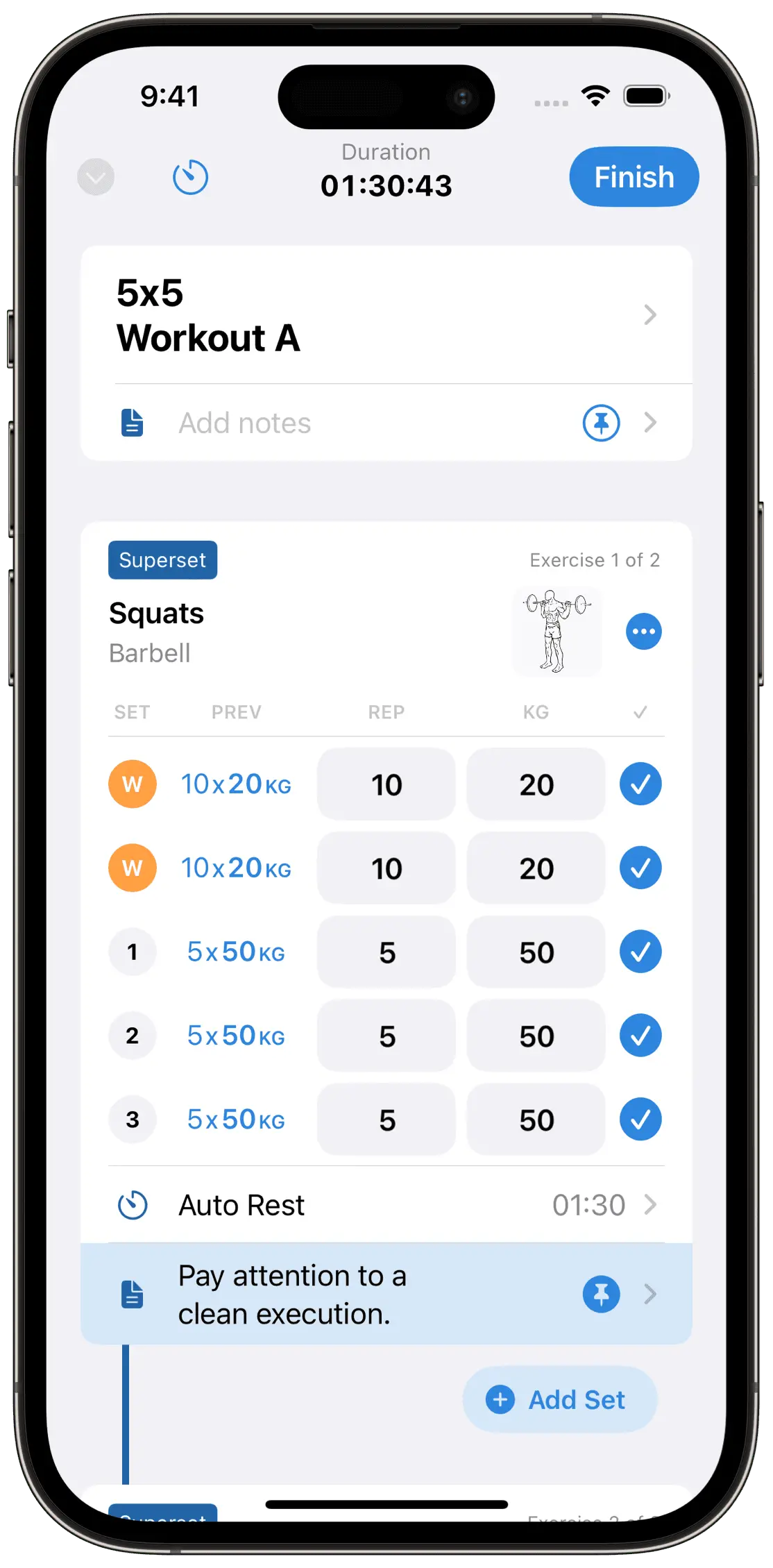


External support can reinforce internal motivation.
- Workout with a friend or partner
- Use apps or journals to track habits
- Join online fitness communities
Accountability works best when it feels encouraging, not pressuring.
Redefine Success for Long-Term Fitness
Long-term fitness success isn’t about perfection. It’s about persistence.
- Missed workouts are normal
- Plateaus are part of the process
- Progress is rarely linear
The goal is to keep coming back, not to stay flawless.
Frequently Asked Questions
How long does it take to build long-term fitness motivation?
Most people develop stable habits within 6–8 weeks of consistent practice.
Is motivation or discipline more important for fitness?
Discipline matters more long-term, but discipline is easier when routines are simple and enjoyable.
What should I do when I completely lose motivation?
Reduce your workouts to the minimum and focus on rebuilding consistency rather than intensity.
Can changing workouts help with motivation?
Yes, variety prevents boredom and can re-energize your interest in exercise.
How do I stay motivated without visible results?
Focus on internal improvements like strength, stamina, mood, and daily energy levels.
Should fitness goals change over time?
Absolutely. Adjusting goals keeps them aligned with your lifestyle and prevents burnout.
Is it okay to take breaks from fitness routines?
Yes. Planned breaks can help with recovery and long-term sustainability when handled mindfully.
By simplifying your approach and focusing on habits over hype, fitness becomes something you return to naturally—not something you constantly have to restart. Staying motivated long-term isn’t about pushing harder; it’s about building a system you can live with for years.
