
Dietary supplements can support health, fill nutritional gaps, and improve overall well-being—but only when chosen wisely. With thousands of options on the market, selecting the right supplements for your body requires clarity, evidence, and self-awareness, not guesswork or trends.
Understanding what your body actually needs helps you avoid unnecessary products and focus on what truly supports your health.
Why Supplements Should Be Personalized
No two bodies are the same. Age, lifestyle, diet, activity level, stress, and health conditions all influence nutritional needs. Taking supplements without a clear reason can be ineffective—or even harmful.
Personalized supplementation helps:
- Address specific nutrient deficiencies
- Support individual health goals
- Reduce the risk of over-supplementation
- Improve absorption and effectiveness
Supplements should complement your diet, not replace it.
Start With Your Diet and Lifestyle
Before buying supplements, evaluate what you already consume.
Assess Your Daily Nutrition
Ask yourself:
- Do I eat a variety of whole foods?
- Am I getting enough fruits, vegetables, and protein?
- Are there food groups I regularly avoid?
Many deficiencies stem from dietary patterns rather than medical conditions.
Consider Lifestyle Demands
Certain lifestyles increase nutrient needs:
- High physical activity may increase magnesium or protein needs
- High stress can affect B vitamins and minerals
- Limited sun exposure may impact vitamin D levels
Supplements should reflect how you live, not just what’s popular.
Identify Your Health Goals Clearly
Supplements are most effective when tied to clear, realistic goals.
Common goals include:
- Supporting energy and focus
- Improving bone or joint health
- Enhancing immune function
- Supporting digestion or gut health
Avoid vague goals like “better health” without defining what that means for you.
Understand Common Supplement Categories
Knowing what supplements are designed to do helps you choose appropriately.
Vitamins and Minerals
These support essential body functions and are most useful when a deficiency exists.
- Vitamin D for bone and immune support
- Iron for low energy related to deficiency
- Magnesium for muscle and nervous system support
More is not always better—dosage matters.
Protein and Amino Acids
Useful for people with higher physical demands or limited protein intake.
- Supports muscle repair and recovery
- Helps maintain strength during aging
Whole food protein sources should remain the foundation.
Herbal and Plant-Based Supplements
Often used for targeted support, such as stress or digestion.
- Effects can be subtle and gradual
- Quality and dosage vary widely
Not all herbs are suitable for everyone.
Read Labels and Quality Indicators Carefully
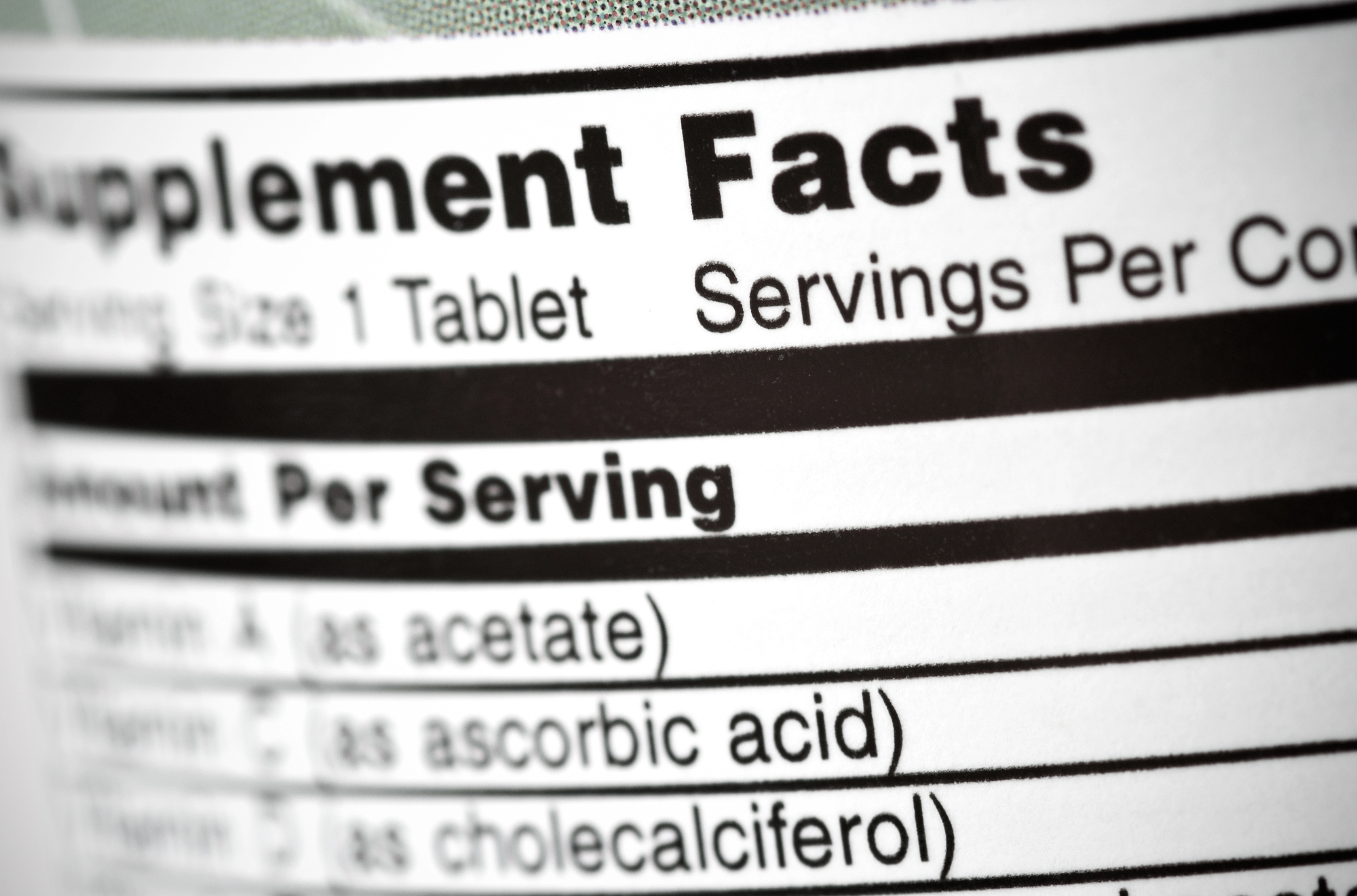


Label reading is essential for safety and effectiveness.
- Check active ingredient amounts, not just percentages
- Avoid unnecessary fillers or artificial additives
- Look for third-party testing or quality certification
- Be cautious of exaggerated health claims
Transparency is a key sign of a reputable product.
Know When to Seek Professional Guidance
Self-supplementing without guidance can lead to imbalance.
Consider professional advice if you:
- Take prescription medications
- Have a chronic health condition
- Are pregnant or breastfeeding
- Experience persistent symptoms
Testing and guidance can prevent unnecessary or harmful supplementation.
Avoid Common Supplement Mistakes
Many people waste money or compromise health by making avoidable errors.
- Taking too many supplements at once
- Copying someone else’s routine
- Ignoring interactions between supplements and medications
- Expecting immediate results
Supplements support health—they don’t replace sleep, nutrition, or movement.
Monitor and Adjust Over Time
Your needs change as your body and lifestyle change.
- Reassess supplements every few months
- Track how you feel, not just what you take
- Stop supplements that don’t provide clear benefit
Effective supplementation is dynamic, not permanent.
Frequently Asked Questions
Do I need supplements if I eat a healthy diet?
Many people don’t, but certain nutrients may still be low depending on lifestyle, absorption, or health factors.
Can taking too many supplements be harmful?
Yes. Excessive intake of some vitamins and minerals can cause side effects or toxicity.
How long does it take to notice benefits from supplements?
Some effects appear within weeks, while others require consistent use over several months.
Are natural supplements always safe?
No. Natural products can still interact with medications or cause side effects.
Should supplements be taken daily?
It depends on the supplement and individual needs. Some are daily, others are situational.
Is it better to take supplements with food?
Many supplements absorb better with food, especially fat-soluble vitamins.
Can supplements replace poor lifestyle habits?
No. Supplements work best when paired with good nutrition, sleep, and regular physical activity.
Choosing the right supplements is about intentional support, not excess. When aligned with your body’s needs and guided by evidence, supplements can play a valuable role in long-term health—quietly, effectively, and safely.
