
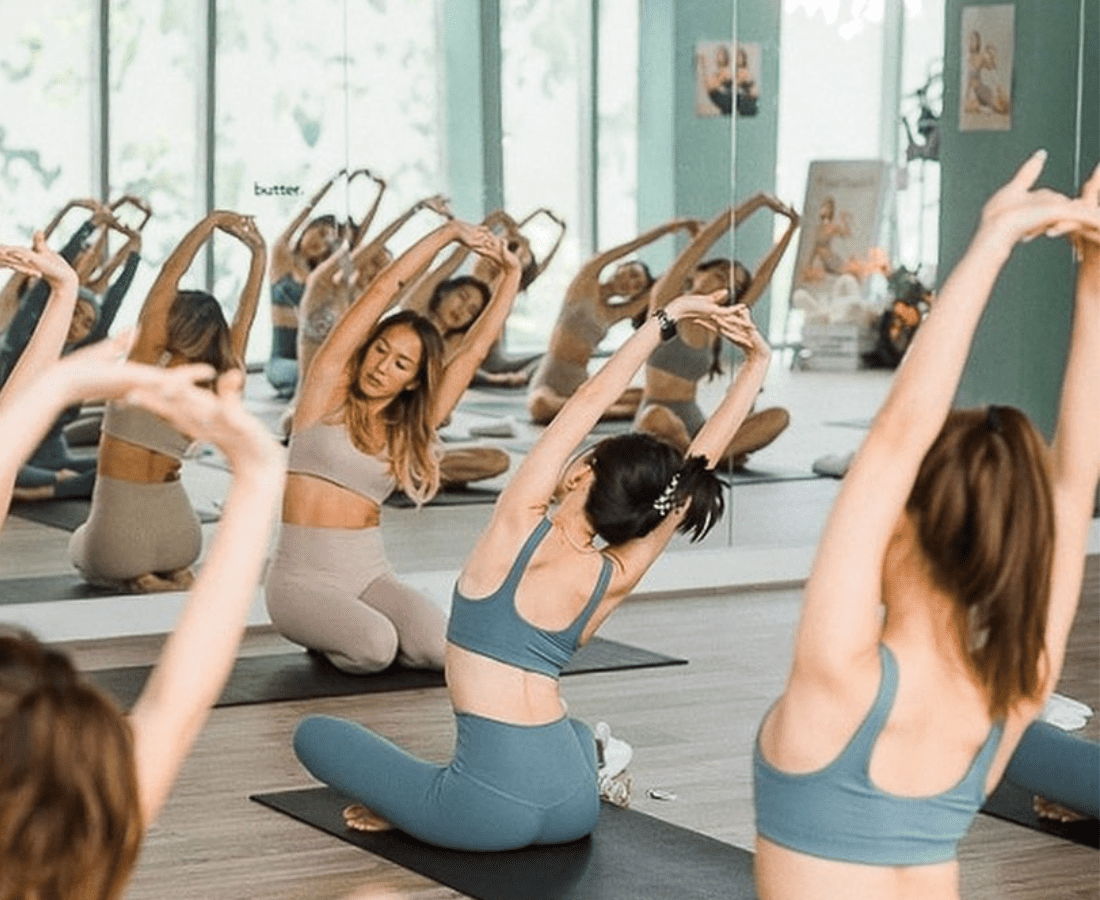
Modern life in Singapore moves at a fast pace. Long work hours, frequent screen exposure and constant digital stimulation can keep the nervous system in an “always on” state. When this continues for weeks or months, people often start feeling fatigued even after a full night of sleep. Many have trouble unwinding after work, and some develop physical tension that affects posture, breathing and mood. This is why many individuals look for calming environments where they can rebalance the nervous system and finally experience deep rest. Today, several yoga places in Singapore play a major role in providing this essential reset, especially for people living in high pressure routines.
The idea of deep rest is not just about lying down or taking a nap. It is a physiological process where the body returns to its natural repair mode. In structured studio spaces, teachers guide students into slow movement, mindful breathing and restorative practices that allow the nervous system to shift into a calmer state. This approach is different from home stretching or regular exercise because the environment, temperature, guidance and flow are all carefully planned. Later in this article, there will also be a mention of Yoga Edition, which is one such space that supports this style of practice in Singapore.
Understanding the Nervous System and Why It Needs a Reset
The human nervous system has two main branches. The sympathetic state activates during busy, stressful or fast paced workdays. The parasympathetic state takes over when the body relaxes, digests food, heals tissues and repairs the mind. Many people rarely enter deep parasympathetic mode because they remain connected to devices, thinking about work or rushing through daily routines. Over time, this keeps cortisol levels elevated and reduces the body’s ability to recover fully.
Yoga practices that focus on deep rest target this imbalance. Studio environments are designed to cue the brain to slow down. Soft lighting, warm tones and steady breathwork help reduce sensory overload. When done consistently, this allows the nervous system to let go of long held tension. Many people report improved sleep patterns, better emotional regulation and a calmer mindset after committing to such sessions.
The Role of Studio Environments in Shifting the Mind into Rest Mode
One of the biggest advantages of attending classes at yoga places in Singapore is the shift in environment. At home, people are surrounded by chores, noise or workplace thoughts. In a dedicated studio, the ambience signals a change in state. This psychological cue helps the brain prepare for a calmer experience.
Key environmental elements that support nervous system reset include:
-
Controlled lighting that reduces visual stress
-
Temperature set at a comfortable level to relax muscles
-
Neutral colours that reduce stimulation
-
A quiet, uncluttered layout that promotes focus
-
Gentle scents or natural ventilation that encourage slower breathing
These elements work together to create an atmosphere where the body naturally begins to slow down. Over time, the mind associates the studio with a restorative experience, making each session more effective.
How Breathwork Creates a Direct Impact on the Nervous System
Breathwork is one of the fastest ways to influence the nervous system. When breathing becomes slow and steady, the vagus nerve sends signals to the brain that it is safe to relax. Many students in Singapore attend specific breath focused sessions to restore their inner balance. Teachers guide the class through techniques that activate the parasympathetic system, which helps lower heart rate and reduce muscle tension.
A few widely used breath practices include:
-
Gentle nasal breathing to support oxygen flow
-
Extended exhalations to encourage calmness
-
Rhythmic breath patterns that reduce anxiety
-
Progressive breath slowing which helps deepen rest
These simple yet powerful techniques allow the body to enter a deeper level of restoration than normal rest. With consistency, people find that breathwork becomes a tool they use outside the yoga room as well, especially during stressful moments.
Slow Movement and Its Effect on Muscles and Mind
Many modern exercise routines focus on speed, intensity and calorie burn. Slow yoga movement works differently. By taking time with each posture, the body learns to release old tension patterns. Muscles soften, joints decompress and the mind stops rushing from one thought to another. This slower pace creates a stronger mind body connection, which naturally supports the nervous system.
Some benefits include:
-
Reduced stiffness in the neck, shoulders and lower back
-
Improved body awareness which leads to better posture
-
A calmer internal pace which continues after class
-
Deeper relaxation during final resting poses
Slow movement is especially helpful for people who sit at a desk for long hours or experience constant digital fatigue. Over time, the muscles learn to let go of unnecessary tension. This contributes to better sleep and a more restful evening routine.
The Importance of Structured Stillness in a Busy City
Stillness is rare in a lively city like Singapore. Most people move quickly from tasks to commitments without pausing. Yoga studios offer a different rhythm. Teachers guide the class into structured periods of stillness, allowing the mind to settle. This stillness is not passive. It is a trained practice where the body learns to return to its natural balance.
Outcomes often include:
-
Mental clarity as the brain stops processing constant information
-
Slower heart rate which supports deeper rest
-
Emotional grounding which helps people manage stress better
-
A renewed sense of presence which continues into everyday life
Many students find that these moments of stillness become the most important part of their week, especially when dealing with demanding schedules.
Why Restorative Yoga Is Rising in Popularity in Singapore
Restorative yoga focuses entirely on relaxation. Props are used to support the body in comfortable positions so there is no strain on muscles or joints. These supported poses allow the nervous system to shift into deep rest for extended periods. Because of the high stress lifestyles in Singapore, more people are seeking this style of practice as a way to recharge.
Students appreciate restorative sessions because they:
-
Provide recovery similar to a long peaceful sleep
-
Reduce overstimulation from work and digital screens
-
Create a grounding effect that lasts throughout the day
-
Support mental wellbeing by calming internal chatter
Many working adults find restorative yoga to be one of the most effective ways to reset their mind and body after a long week.
Why Consistency Matters for Nervous System Health
A single session brings relief, but the nervous system improves most when slow breathwork, mindful movement and structured rest are practised consistently. Frequent visits to yoga places in Singapore reinforce the body’s ability to enter deep rest quickly. Over time, this turns into a personal skill that people can use during challenging moments.
Consistency helps people:
-
Fall asleep faster
-
Reduce the impact of emotional stress
-
Stay calm during busy work days
-
Build resilience against burnout
With regular practice, the nervous system becomes more adaptable. This creates a lasting foundation for long term wellbeing.
How Mindfulness Leads to a Healthier Stress Response
Mindfulness is woven into many studio classes. It teaches students to observe thoughts without rushing or reacting. This supports a healthier stress response because the mind learns to pause before engaging with stressful triggers. Many individuals find that mindfulness helps them stay patient, focused and grounded even during intense periods at work.
Some common mindfulness techniques include:
-
Body scanning to identify hidden tension
-
Observing the breath without forcing it
-
Guided relaxation to ease mental chatter
-
Awareness practices that anchor attention to the present moment
This helps people build emotional resilience. Instead of reacting automatically to stress, they respond with more clarity and balance.
Real Life Changes People Notice After Nervous System Reset Practices
People who commit to regular classes at yoga studios often report meaningful improvements in their daily life. These are not temporary changes but shifts in the way the mind and body interact.
Common real life improvements include:
-
Waking up feeling lighter and more refreshed
-
Less irritability during stressful moments
-
Improved focus at work
-
Fewer headaches and less neck strain
-
Better digestion due to a calmer internal state
-
A greater sense of contentment at the end of the day
These changes build over time and often lead people to make healthier choices naturally.
FAQ
Q. How often should I visit yoga places in Singapore to notice improvements in deep rest?
Many individuals notice changes within three to five sessions. For long lasting improvements, attending one to two classes per week is ideal. Consistency helps the nervous system learn how to shift into calm mode more quickly.
Q. Can nervous system reset practices help with sleep issues?
Yes. Breathwork, restorative postures and slow movement help reduce tension and lower nighttime stress levels. Many people report falling asleep faster and staying asleep longer after adopting a regular practice.
Q. I work long office hours. Will slow yoga sessions still help me relax?
Absolutely. People with desk based jobs often benefit the most. Gentle stretches release shoulder and back tension while breathwork helps regulate stress accumulated during the day.
Q. Is it normal to feel emotional release during deep rest practices?
Yes, it is common. When the nervous system relaxes, stored tension can dissolve. This sometimes brings an emotional response, which is a natural part of healing.
Q. Do I need prior experience to join restorative or breath focused classes?
No experience is required. These sessions focus on comfort, calmness and support. Teachers guide each step so beginners can participate confidently.
