
Acupressure is a time-tested, drug-free approach to pain relief rooted in traditional healing practices. By applying targeted pressure to specific points on the body, you can stimulate natural pain-relieving responses, improve circulation, and encourage relaxation. What makes acupressure especially appealing is its simplicity—you can practice it almost anywhere, without special tools or prior training.
What Is Acupressure and How Does It Work?
Acupressure is based on the idea that the body contains energy pathways that influence physical and emotional well-being. When these pathways are blocked or overstimulated, discomfort can occur. Applying firm, steady pressure to key points helps restore balance and encourages the body’s own healing mechanisms.
Unlike massage, acupressure focuses on precise points rather than broad muscle groups. Unlike acupuncture, it does not involve needles, making it accessible to beginners and ideal for self-care.
Why Acupressure Is Effective for Everyday Pain
Many common aches—such as headaches, back tension, or joint stiffness—are linked to muscle tightness, stress, or reduced blood flow. Acupressure addresses these factors directly by:
- Promoting endorphin release, the body’s natural painkillers
- Improving blood and oxygen circulation
- Reducing muscle tension and stress-related discomfort
- Supporting the nervous system’s relaxation response
When practiced consistently, it can complement other wellness habits like stretching, hydration, and mindful breathing.
Key Acupressure Points for Common Pain
Headaches and Migraines
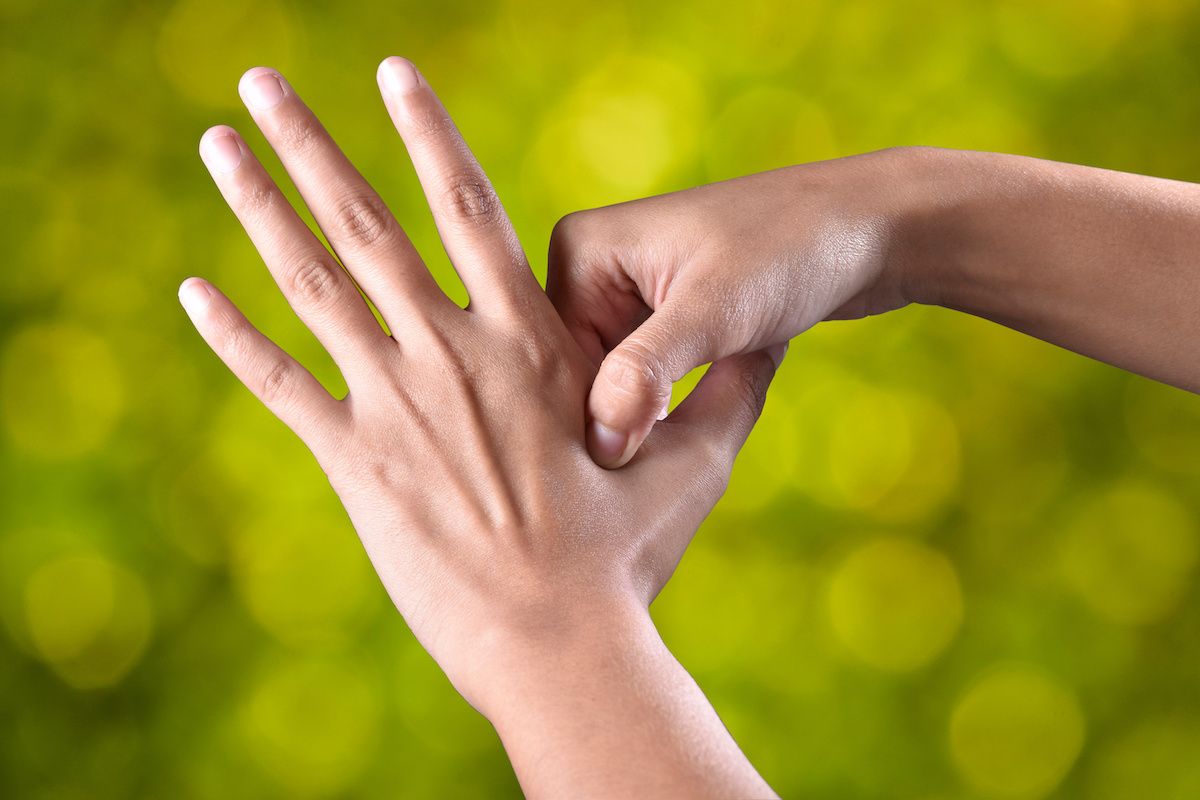
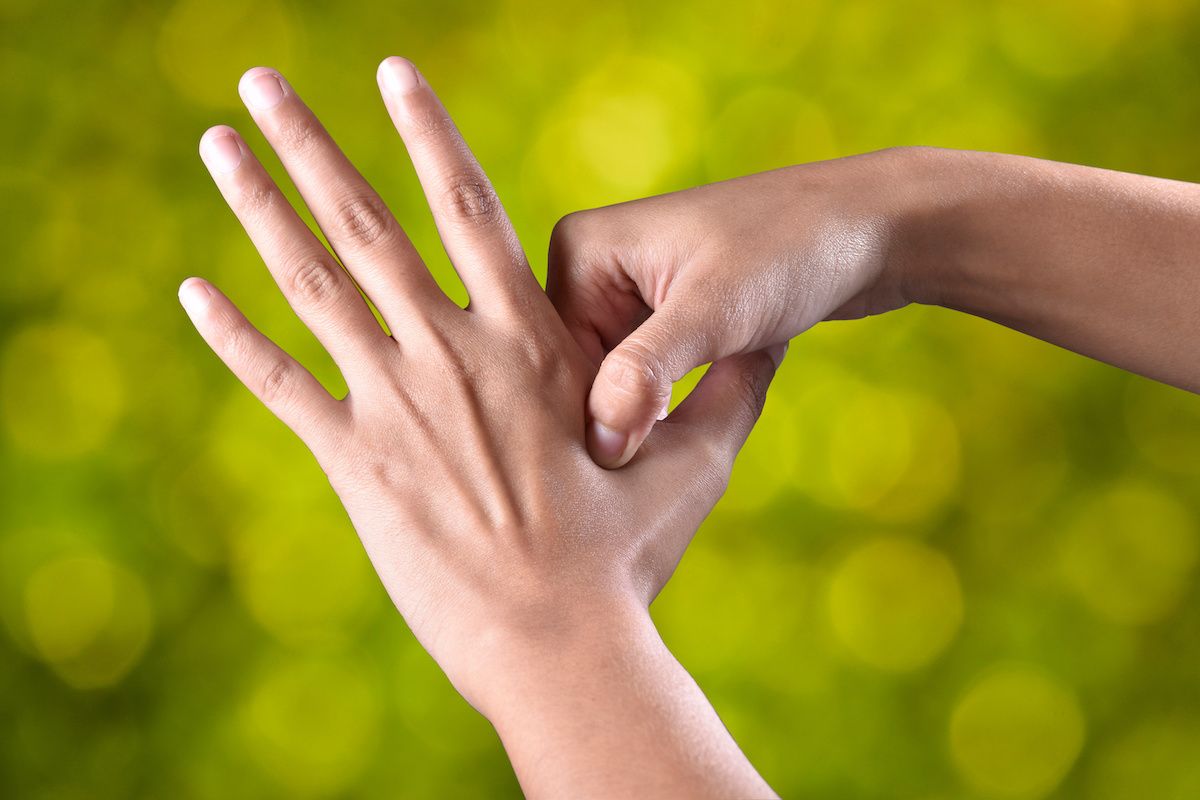
LI4 (Hegu)
Located between the thumb and index finger, this point is widely used for tension headaches and facial pain. Apply firm pressure for 30–60 seconds while breathing deeply.
GB20 (Feng Chi)
Found at the base of the skull on both sides of the neck, this point helps relieve headaches caused by stress, eye strain, or poor posture.
Neck and Shoulder Tension
GB21 (Jian Jing)
Situated at the midpoint between the neck and shoulder, this point can ease stiffness from prolonged sitting or computer use. Use gentle pressure, especially if you are sensitive in this area.
Lower Back Pain
BL23 (Kidney Shu)
Located on the lower back, about two finger-widths from the spine, this point supports relief from lower back discomfort and fatigue-related aches.
Knee and Joint Pain
ST36 (Zusanli)
Positioned just below the knee on the outer side of the leg, this point is known for reducing knee pain and improving overall mobility.
Menstrual Cramps and Abdominal Discomfort
SP6 (Sanyinjiao)
Found above the inner ankle, this point is commonly used for menstrual pain, bloating, and lower abdominal tension.
How to Practice Acupressure Safely at Home

Practicing acupressure correctly enhances its effectiveness and reduces the risk of discomfort.
- Use firm but comfortable pressure, never sharp pain
- Apply pressure for 30 seconds to 2 minutes per point
- Breathe slowly and deeply while holding each point
- Practice on both sides of the body when applicable
- Stop if you feel dizziness, nausea, or worsening pain
Consistency matters more than force. Gentle, regular practice often yields better results than aggressive pressure.
When Acupressure Works Best
Acupressure is most effective for mild to moderate, non-emergency pain. It works particularly well when pain is related to stress, posture, repetitive strain, or muscle tension. While it can support overall comfort, it should not replace professional medical care for severe, sudden, or persistent pain.
Integrating Acupressure Into Daily Life
You don’t need to set aside large blocks of time. Acupressure can fit naturally into daily routines:
- Apply hand points during work breaks
- Use neck and shoulder points before sleep
- Practice leg points after exercise or long walks
- Combine with stretching or meditation for deeper relaxation
Over time, this small habit can contribute to better pain awareness and improved body comfort.
Frequently Asked Questions
Is acupressure scientifically proven to relieve pain?
Research suggests acupressure can help reduce certain types of pain, especially tension-related discomfort, by influencing the nervous system and promoting relaxation.
How often should I practice acupressure?
You can practice daily or whenever pain arises. For chronic discomfort, short daily sessions are often more effective than occasional long ones.
Can acupressure be used alongside medication?
Yes, acupressure is generally safe to use alongside prescribed treatments, but it should not replace medical advice or medication without professional guidance.
Does acupressure work immediately?
Some people feel relief right away, while others notice gradual improvement after repeated sessions. Results vary based on the type and cause of pain.
Are there any side effects of acupressure?
When done correctly, side effects are minimal. Temporary soreness or sensitivity at pressure points can occur but usually resolves quickly.
Can pregnant individuals use acupressure?
Certain points should be avoided during pregnancy. It’s best to consult a qualified healthcare provider before practicing acupressure while pregnant.
Do I need special tools to practice acupressure?
No tools are required. Fingers, thumbs, or knuckles are sufficient, though some people use acupressure mats or balls for convenience.
By learning a few reliable acupressure techniques and practicing them mindfully, you can tap into a natural, accessible method for everyday pain relief that supports both physical comfort and overall well-being.
