
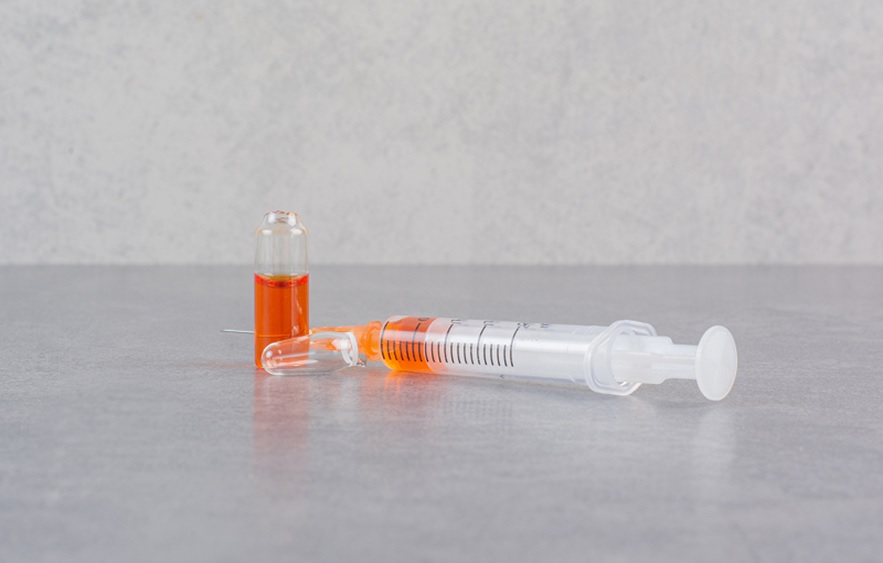
Somewhere between the social media clips and the clinic brochure, the weight loss pen picked up a reputation as a quick fix: one jab, appetite gone, done. What actually happens once someone is prescribed one looks far less dramatic and considerably more involved than that.
A Weekly Routine, Not a Single Appointment
A weight loss injection works by mimicking a hormone called GLP-1, which naturally regulates appetite and the feeling of fullness after eating. It’s taken as a weekly self-administered dose once a doctor has confirmed it’s an appropriate option, not a single treatment that ends after one clinic visit. The medication itself is only part of the plan; what someone does with their appetite settling down over the following weeks matters just as much.
That weekly rhythm is worth sitting with before starting, because it’s a genuine commitment, not a one-off purchase. Doses are typically increased gradually over several weeks under medical supervision, rather than starting at full strength immediately, partly to let the body adjust and partly to manage side effects that are more likely at higher doses.
It’s also worth saying plainly that a weight loss injection isn’t something a clinic hands over on the first visit regardless of how it gets discussed online. The dose-escalation schedule, the supervision, and the follow-up appointments are all part of why this sits firmly in prescription-medication territory rather than the quick-fix category social media sometimes frames it as.
What the First Few Weeks With the Pen Involve
The weight loss pen itself is pre-filled and designed for self-injection at home, but that doesn’t mean someone is handed one and sent off unsupervised. A demonstration at the clinic covers injection technique, storage requirements, and what to watch for, and early follow-up appointments check how someone is responding before any dose increases happen.
- Injected once weekly, typically into the abdomen, thigh, or upper arm
- Unused pens need refrigeration; pens already in use are generally discarded after a set number of days
- Common early side effects include nausea, mild digestive upset, or temporary changes in appetite beyond what’s expected
- Regular check-ins with the prescribing doctor track both progress and any side effects as the dose adjusts
Who This Is and Isn’t Suitable For
Prescription weight loss medication isn’t handed out on request. It’s generally considered for adults above a certain weight threshold, particularly where weight is contributing to other health concerns, and a doctor needs to rule out specific contraindications first, including a personal or family history of certain thyroid conditions and pregnancy. This is exactly why the assessment stage exists before any prescription gets written, rather than being a formality on the way to one.
It’s also worth being direct about what this medication doesn’t replace. Appetite regulation makes healthier eating patterns easier to sustain, but it doesn’t substitute for them entirely, and most prescribing doctors will discuss diet and activity alongside the medication rather than treating the injection as a standalone solution.
- A BMI above a certain threshold, or a lower threshold alongside weight-related health concerns, is typically the starting point for eligibility
- Pregnancy, or actively planning for pregnancy, rules it out entirely for the duration
- A personal or family history of certain thyroid conditions is specifically screened for before any prescription is written
- Existing medication use is reviewed too, since interactions can affect how suitable this option is for a given person
What Changes Once the Dose Stabilises
After the initial adjustment period, most people settle into a routine where the weekly injection becomes a fairly unremarkable part of the week rather than an ongoing source of side effects or anxiety. Review appointments typically continue on a regular schedule even once things have stabilised, partly to monitor how someone is doing and partly because a prescription like this isn’t meant to run indefinitely without reassessment.
These later reviews also cover what happens if someone eventually stops the medication, since appetite regulation doesn’t necessarily stay the same once the injections end. A sensible long-term plan accounts for that transition from the outset, rather than treating the weekly routine as something to maintain indefinitely without ever revisiting the question.
None of this is meant to discourage anyone from considering it. It’s meant to set the right expectations from day one, since a treatment that’s misunderstood as a quick fix tends to disappoint people who stop after a few weeks when it doesn’t feel like the instant transformation they expected online. Going in with an accurate picture of the weekly commitment involved tends to produce a far steadier experience than going in expecting magic from the first dose.
Curious whether this is a realistic fit for your own situation? Contact Halley Body Slimming Clinic for a proper assessment before deciding either way.
