
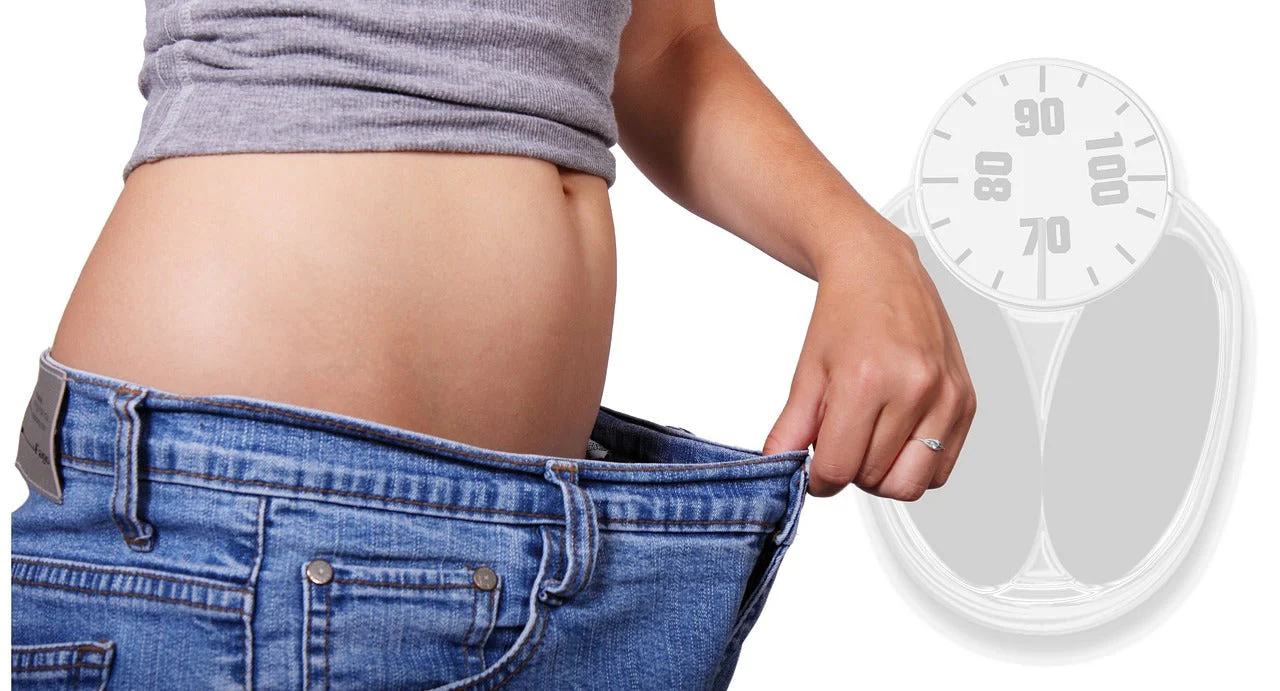
Diet plays an important role in weight loss, but food choices alone rarely deliver lasting results. Many people eat less, follow strict plans, or cut calories aggressively—only to feel frustrated when progress stalls or weight returns. The truth is that body weight is influenced by multiple systems working together, not just what’s on your plate.
Lasting weight loss requires a broader approach that includes movement, sleep, stress management, and behavioral habits.
The Weight Loss Equation Is More Than Calories
Calories matter, but they don’t tell the full story. Your body responds to hormones, habits, and lifestyle factors that directly affect how calories are stored or burned.
Weight regulation depends on:
- Metabolism and muscle mass
- Hormonal balance
- Daily movement and activity levels
- Sleep quality and stress
Ignoring these factors can limit results, even with a “perfect” diet.
Diet Without Movement Slows Progress
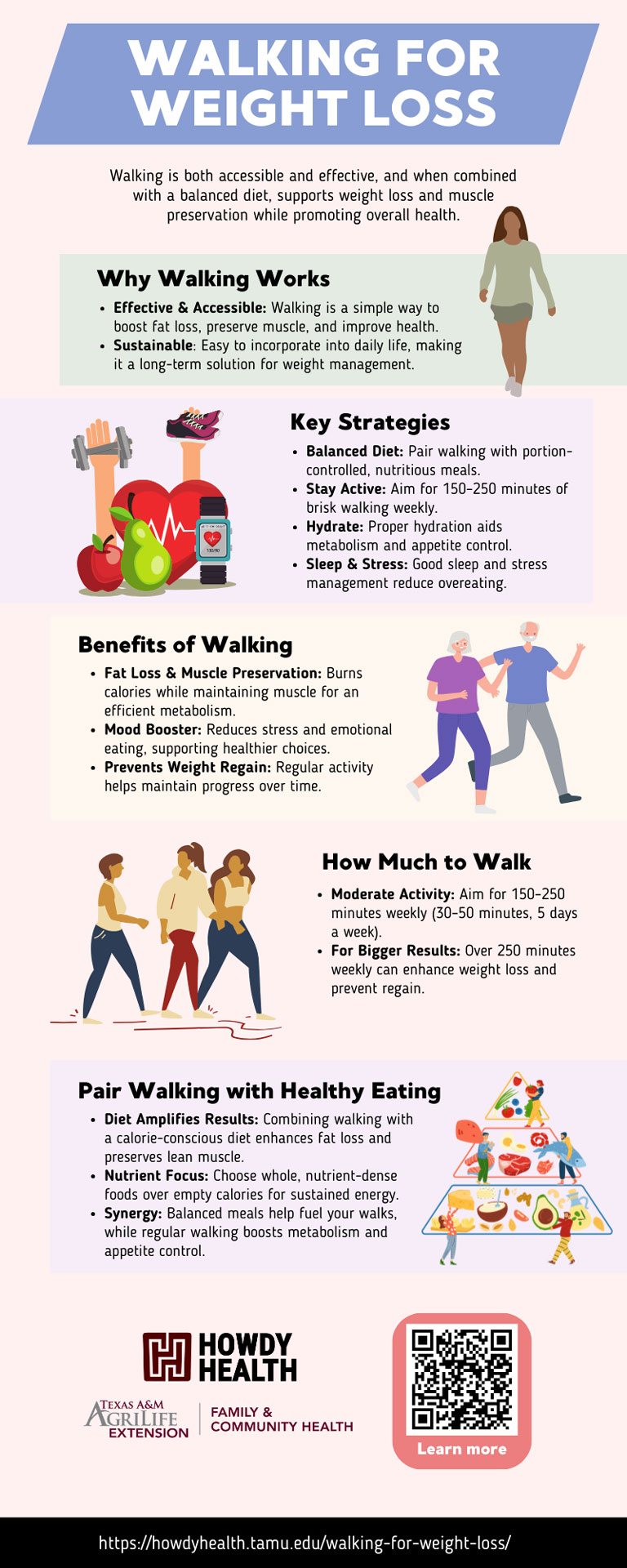
Reducing calories without physical activity often leads to muscle loss. Muscle tissue plays a key role in maintaining a healthy metabolism.
Why Movement Matters
- Preserves lean muscle mass
- Supports metabolic rate
- Improves insulin sensitivity
- Enhances fat utilization
Without movement, the body adapts by conserving energy, making further weight loss harder.
Exercise Isn’t Just for Burning Calories
Movement also improves mood, energy, and consistency—factors that help maintain healthy eating habits long-term.
Hormones Influence Weight More Than Willpower
Restrictive dieting can disrupt hunger and stress hormones.
Key hormonal effects include:
- Increased ghrelin, which boosts hunger
- Reduced leptin, which signals fullness
- Elevated cortisol, linked to fat storage
When hormones are out of balance, sticking to a diet becomes mentally and physically exhausting.
Sleep and Stress Can Undermine Any Diet
Even the best diet struggles to work if sleep and stress are neglected.
Poor Sleep Increases Weight Gain Risk
- Raises appetite and cravings
- Reduces impulse control
- Lowers energy for physical activity
Just a few nights of poor sleep can noticeably affect eating behavior.
Chronic Stress Encourages Fat Storage
Stress-driven eating isn’t a lack of discipline—it’s biology. Elevated stress hormones make high-calorie foods more appealing and increase fat retention, especially around the abdomen.
Behavior and Habits Drive Long-Term Results
Diet plans often fail because they don’t address how people eat, only what they eat.
Important behavioral factors include:
- Eating speed and awareness
- Emotional triggers
- Consistency across weekdays and weekends
- Ability to adapt during busy or stressful periods
Weight loss lasts when habits change, not when rules are followed temporarily.
The Role of Non-Exercise Activity
Daily movement outside of workouts—known as non-exercise activity—plays a major role in energy balance.
Examples include:
- Walking
- Standing more often
- Household chores
- General daily mobility
These small movements add up and are often more sustainable than intense exercise sessions alone.
Why Diet-Only Weight Loss Often Leads to Regain
When weight loss relies solely on calorie restriction:
- Metabolism may slow
- Hunger signals intensify
- Muscle mass decreases
- Diet fatigue builds
Once the diet ends, the body is primed to regain weight quickly. A lifestyle-based approach reduces this rebound effect.
What a Complete Weight Loss Approach Looks Like
Sustainable weight loss includes:
- Nutritious, flexible eating
- Regular movement and strength training
- Adequate sleep and recovery
- Stress management strategies
- Realistic expectations
Each element supports the others, making progress easier to maintain.
Frequently Asked Questions
Can diet alone ever lead to weight loss?
Yes, but results are often temporary without movement and lifestyle support.
Why does weight loss slow after initial dieting?
Metabolic adaptation, muscle loss, and hormonal changes commonly slow progress.
Is exercise mandatory for weight loss?
Not strictly, but it greatly improves fat loss sustainability and metabolic health.
Can stress really affect body weight?
Yes. Chronic stress influences hormones that affect appetite and fat storage.
How much does sleep matter for weight loss?
Sleep is critical. Poor sleep increases hunger, cravings, and weight regain risk.
What’s more important: diet or lifestyle?
Both matter, but lifestyle habits determine whether results last.
How do I move beyond a diet-only mindset?
Shift focus toward habits, consistency, and overall well-being instead of short-term restriction.
Diet is a powerful tool, but it’s only one piece of the weight loss puzzle. When combined with movement, recovery, and sustainable habits, weight loss becomes more achievable—and far more likely to last.
