
Weight loss doesn’t fail because people lack discipline—it fails because most approaches aren’t designed to last. Extreme diets, rigid rules, and quick fixes often lead to burnout and rebound weight gain. Sustainable weight loss focuses on habits you can maintain for years, not weeks.
The goal isn’t perfection. It’s steady progress that fits real life.
Why Sustainable Weight Loss Is Different
Sustainable weight loss works with your body instead of against it. Rather than forcing rapid change, it emphasizes consistency, balance, and adaptability.
Long-term strategies help you:
- Maintain muscle while losing fat
- Support metabolism and energy levels
- Reduce emotional and stress-related eating
- Build confidence through repeatable habits
When weight loss feels manageable, it becomes maintainable.
Focus on Habits Before the Scale
The scale reflects outcomes, but habits create results.
Build Simple, Repeatable Routines
Instead of chasing perfect days, aim for consistent behaviors:
- Eating regular meals
- Moving your body most days
- Sleeping enough to support recovery
These actions influence weight naturally over time.
Measure Progress Beyond Weight
Weight fluctuates due to water, hormones, and stress. Sustainable progress shows up in other ways:
- Increased energy
- Better digestion
- Improved strength or endurance
- More stable appetite
These signs often appear before visible fat loss.
Eat in a Way You Can Maintain
Sustainable eating is not about restriction—it’s about structure and awareness.
Prioritize Whole, Satisfying Foods
Focus on foods that keep you full and nourished:
- Lean proteins for satiety
- Fiber-rich vegetables and fruits
- Healthy fats in moderate portions
- Complex carbohydrates for energy
When meals are satisfying, cravings naturally decrease.
Avoid Extreme Restrictions
Cutting entire food groups or eating too little often backfires.
- Increases hunger and fatigue
- Raises risk of binge eating
- Makes social eating stressful
Flexibility supports long-term success.
Move Your Body in Enjoyable Ways
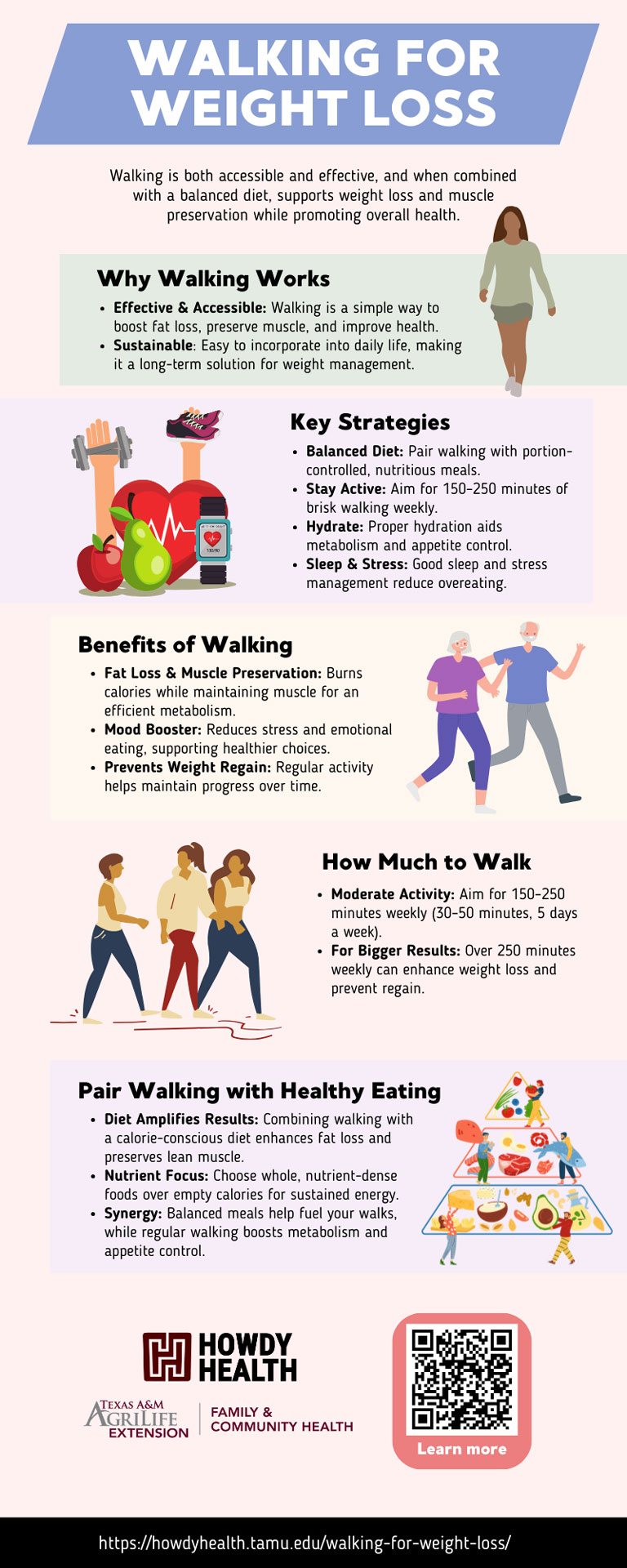
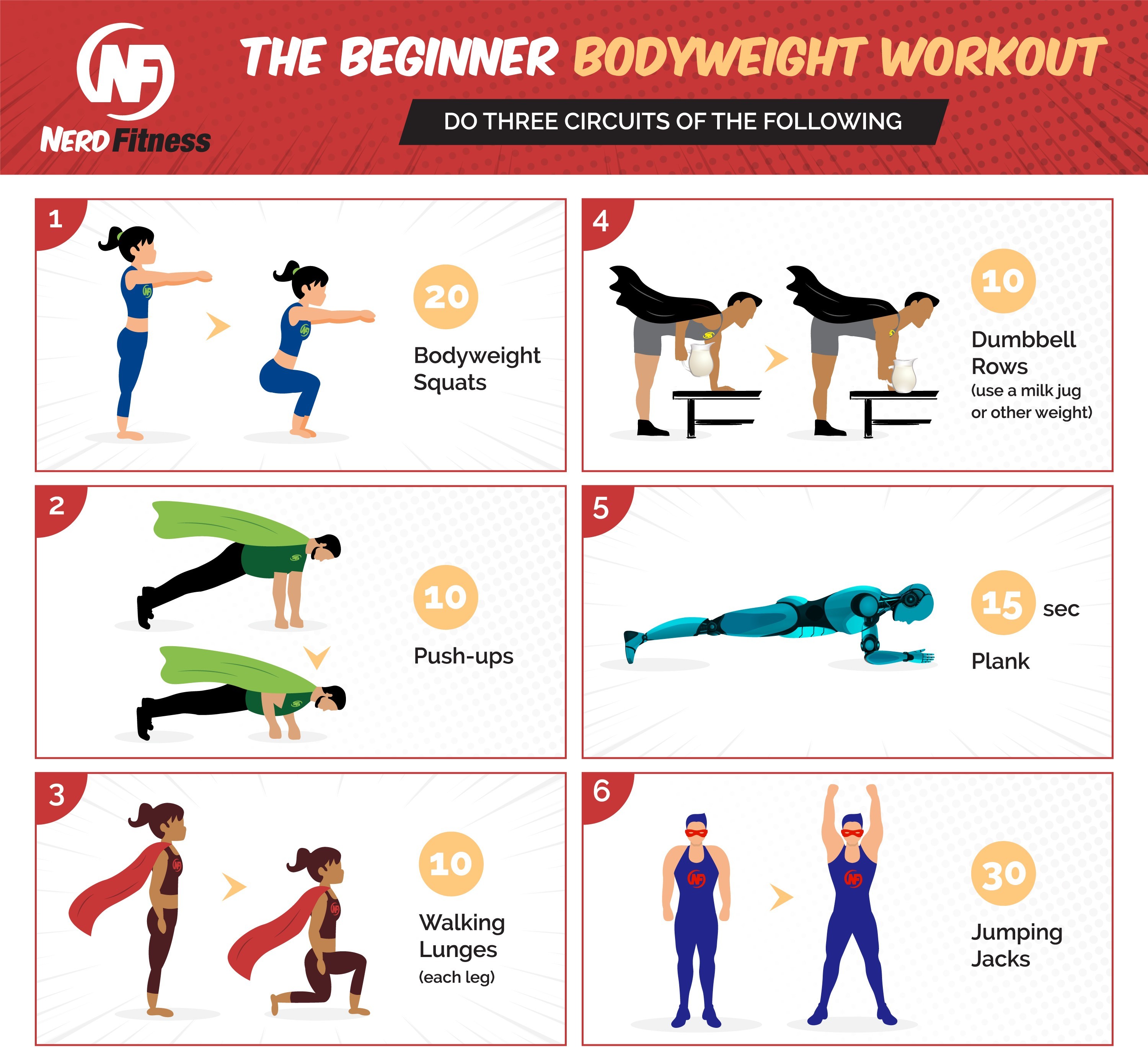
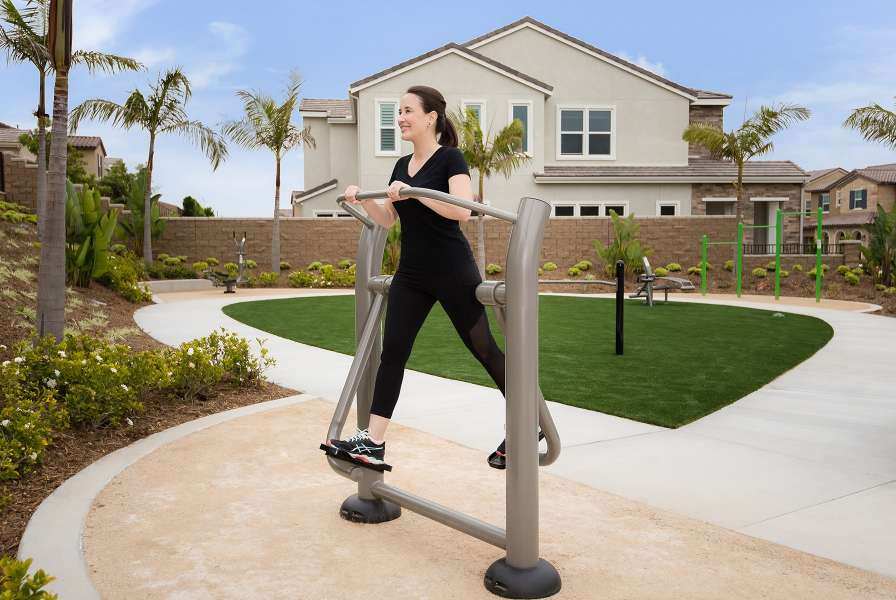
Exercise should support weight loss—not punish your body.
Combine Movement Types
A balanced approach works best:
- Walking or low-impact cardio for consistency
- Strength training to preserve muscle
- Light mobility or stretching for recovery
You don’t need intense workouts every day to see results.
Focus on Consistency, Not Calories Burned
Movement builds habits, confidence, and metabolic health—even when weight loss is slow.
Manage Hunger, Stress, and Sleep
Weight loss isn’t just about food and exercise. Lifestyle factors strongly influence appetite and fat storage.
Support Natural Hunger Signals
- Eat enough protein and fiber
- Avoid skipping meals frequently
- Stay hydrated throughout the day
Stable blood sugar helps regulate appetite.
Reduce Stress and Improve Sleep
Chronic stress and poor sleep increase hunger hormones and cravings.
- Aim for consistent sleep schedules
- Use movement or breathing to manage stress
- Avoid relying on willpower when exhausted
Better sleep often leads to easier weight loss without dietary changes.
Set Realistic Expectations
Healthy weight loss is gradual.
- 0.25–0.75 kg (0.5–1.5 lb) per week is typical
- Plateaus are normal and temporary
- Progress is rarely linear
Patience is a strategy, not a weakness.
Create an Environment That Supports You
Your surroundings influence your choices more than motivation does.
- Keep nutritious foods visible and accessible
- Plan meals ahead when possible
- Reduce triggers that lead to mindless eating
Small environmental changes reduce decision fatigue.
Think in Phases, Not Forever Diets
Sustainable weight loss evolves.
- Some phases focus on fat loss
- Others focus on maintenance or recovery
- Adjust habits as life changes
Success comes from adaptation, not rigid control.
Frequently Asked Questions
How long does sustainable weight loss take?
It varies, but lasting results often develop over months, not weeks.
Can I lose weight without tracking calories?
Yes. Many people succeed by focusing on food quality, portion awareness, and consistency.
What if I hit a weight loss plateau?
Plateaus are normal. Small adjustments to movement, sleep, or food quality often restart progress.
Is strength training necessary for weight loss?
It’s not mandatory, but it helps preserve muscle and supports long-term metabolism.
Can sustainable weight loss include treats?
Yes. Including foods you enjoy in moderation improves adherence and reduces binge cycles.
How do I stay motivated when progress feels slow?
Focus on habits, energy levels, and non-scale improvements rather than short-term results.
Is weight maintenance part of sustainable weight loss?
Absolutely. Learning how to maintain weight is as important as losing it.
Sustainable weight loss isn’t about doing everything right—it’s about doing enough, consistently, for long enough. When habits align with real life, results follow naturally and stay with you.
