
A healthy smile is built on small, consistent daily habits rather than occasional treatments. Tooth decay and gum disease are largely preventable, yet they remain common because daily care is often rushed or incomplete. With the right routine, you can protect your teeth, gums, and overall oral health well into old age.
Why Daily Dental Care Matters More Than You Think
Your mouth is home to millions of bacteria. When oral hygiene slips, these bacteria form plaque, which can harden into tartar and lead to cavities, gum inflammation, bad breath, and even tooth loss. Daily care helps:
- Prevent tooth decay and enamel erosion
- Reduce the risk of gum disease
- Maintain fresh breath and a clean mouth
- Support overall health, as oral health is linked to heart and metabolic health
Consistency is what makes these benefits last a lifetime.
The Foundation of a Strong Daily Oral Care Routine
Brush Properly, Not Just Frequently
Brushing twice a day is essential, but technique matters as much as timing.
- Use a soft-bristled toothbrush
- Brush for a full two minutes
- Angle the brush at 45 degrees toward the gumline
- Use gentle circular motions, not harsh scrubbing
Aggressive brushing can wear down enamel and irritate gums over time.
Floss Every Day Without Exception
Flossing removes plaque and food particles from areas your toothbrush can’t reach.
- Floss once daily, ideally before bedtime
- Curve the floss gently around each tooth
- Avoid snapping floss into the gums
Daily flossing significantly lowers the risk of cavities between teeth and gum inflammation.
Don’t Skip Tongue Cleaning
The tongue traps bacteria that contribute to bad breath and plaque buildup.
- Use a tongue scraper or your toothbrush
- Clean gently from back to front
- Rinse thoroughly afterward
This simple habit can noticeably improve breath freshness.
Choosing the Right Dental Products
Not all dental products are created equal. Selecting the right ones enhances daily care.
- Fluoride toothpaste strengthens enamel and prevents decay
- Alcohol-free mouthwash reduces bacteria without drying the mouth
- Replace toothbrushes every 3–4 months or sooner if bristles fray
Electric toothbrushes can be especially helpful for people with limited hand mobility or inconsistent brushing habits.
Habits That Strengthen Teeth Beyond Brushing



Watch What You Eat and Drink
Diet plays a major role in dental health.
- Limit sugary snacks and acidic drinks
- Choose tooth-friendly foods like dairy, leafy greens, and crunchy vegetables
- Drink plenty of water to rinse away bacteria and food debris
Frequent snacking is often more harmful than occasional treats.
Stay Hydrated Throughout the Day
Saliva protects teeth by neutralizing acids and washing away bacteria. Dehydration reduces saliva flow, increasing cavity risk.
- Sip water regularly
- Be mindful of dry mouth caused by medications or caffeine
Use Sugar-Free Gum Wisely
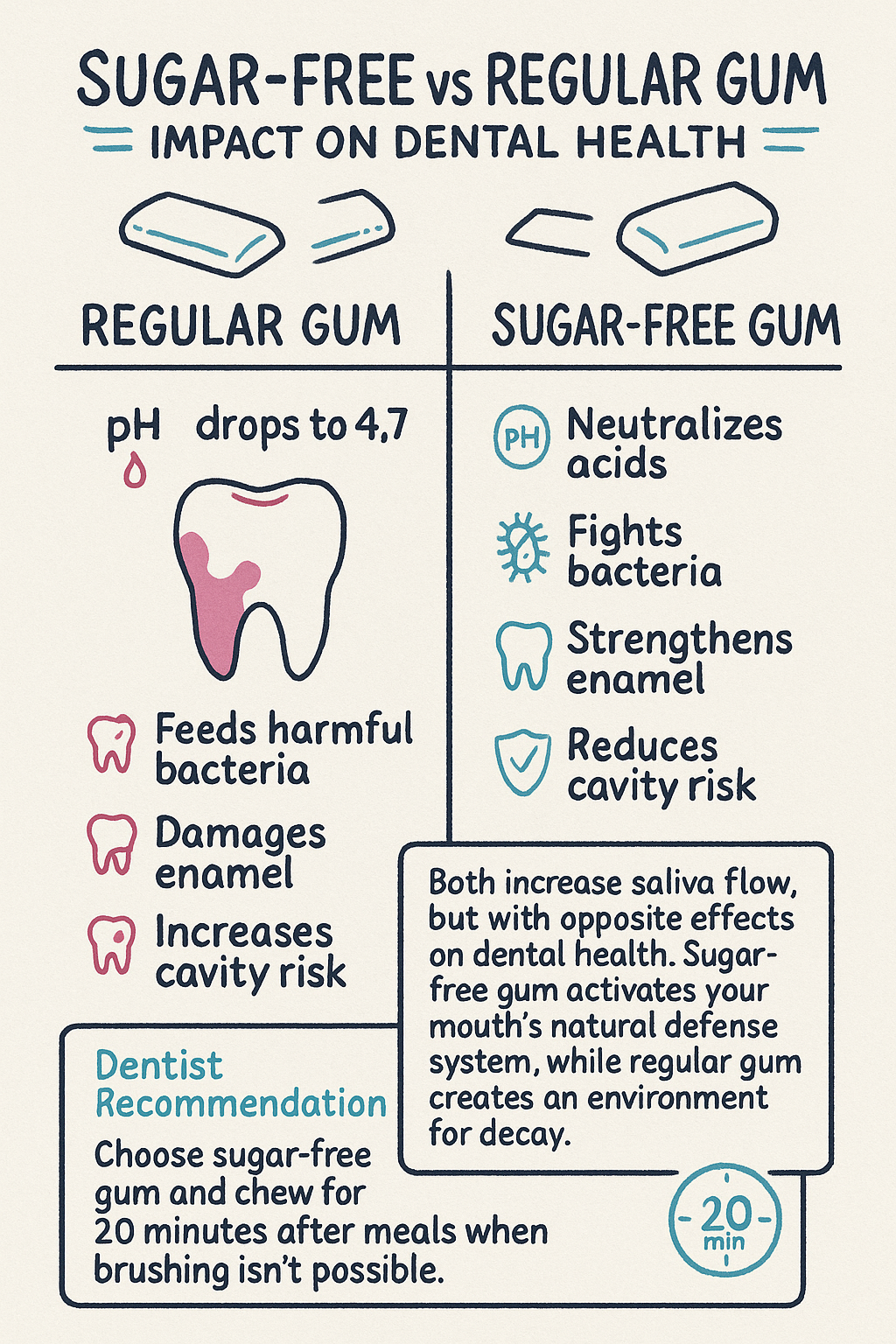
Chewing sugar-free gum after meals can stimulate saliva production and help neutralize acids, especially when brushing isn’t possible.
The Role of Professional Dental Visits
Daily care works best when paired with regular professional checkups.
- Schedule cleanings every six months, or as advised
- Professional exams catch problems early
- Deep cleanings remove hardened tartar that brushing can’t
Preventive visits often save time, discomfort, and expense in the long run.
Protecting Your Smile as You Age
Dental needs change over time, but daily habits remain essential.
- Use fluoride consistently to protect aging enamel
- Pay attention to gum health and sensitivity
- Address grinding or clenching early with professional guidance
Strong habits today help preserve natural teeth for decades.
Frequently Asked Questions
Is brushing twice a day enough for good oral health?
Brushing is essential, but it must be combined with daily flossing and proper technique for full protection.
Can brushing too hard damage teeth?
Yes, aggressive brushing can erode enamel and cause gum recession over time.
How important is mouthwash in daily dental care?
Mouthwash is helpful as a supplement, but it should not replace brushing or flossing.
Does drinking water after meals really help teeth?
Yes, water helps rinse away food particles and reduces acid buildup in the mouth.
Are electric toothbrushes better than manual ones?
Electric toothbrushes can be more effective for plaque removal, especially for people with limited dexterity.
How does stress affect dental health?
Stress can contribute to teeth grinding, jaw tension, and neglected oral hygiene habits.
What early signs of dental problems should I watch for?
Bleeding gums, persistent bad breath, sensitivity, and tooth pain are common early warning signs.
By practicing simple, intentional dental care habits every day, you can protect your smile, avoid preventable problems, and enjoy strong, healthy teeth for life.
